The Blue Project:

An Advocacy for Marine Biodiversity

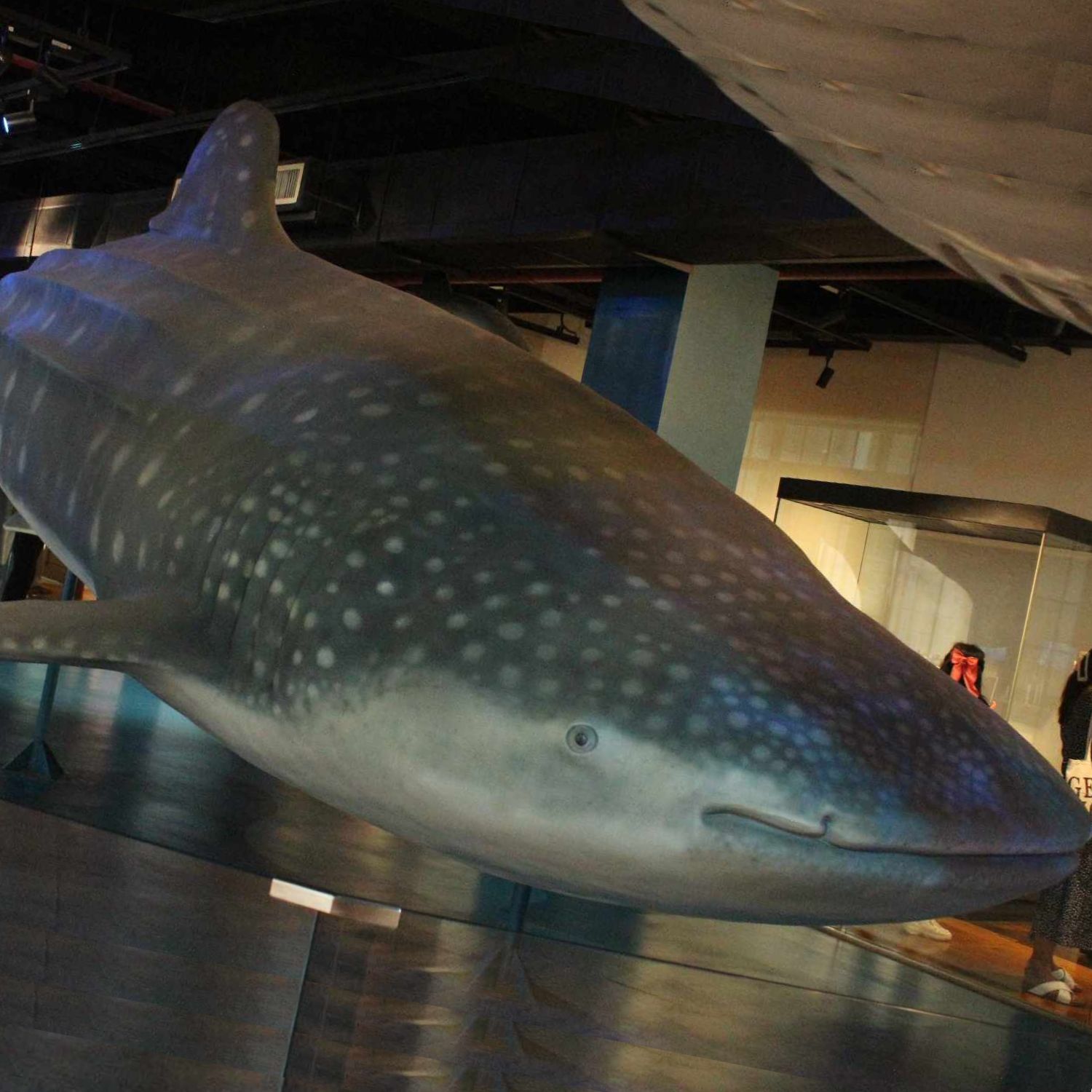
Where our passion for marine conservation drives everything we do. We believe in the power of collaboration, education, and advocacy to effect positive change. Founded by a team of dedicated individuals with a shared love for the Philippines' marine biodiversity.

Learn More

Wondering how Blue Project is making a good and positive difference in the preservation of the Philippines' marine biodiversity? Dive into our impact and read through the substantial results of our effort for very own marine biodiversity.

Learn More

Ready to make a splash with Blue Project? Contact us today by reaching us through our social media handles to learn more about our advocacy and possibly become part of the movement to protect and preserve the Philippines' marine biodiversity.

Learn More

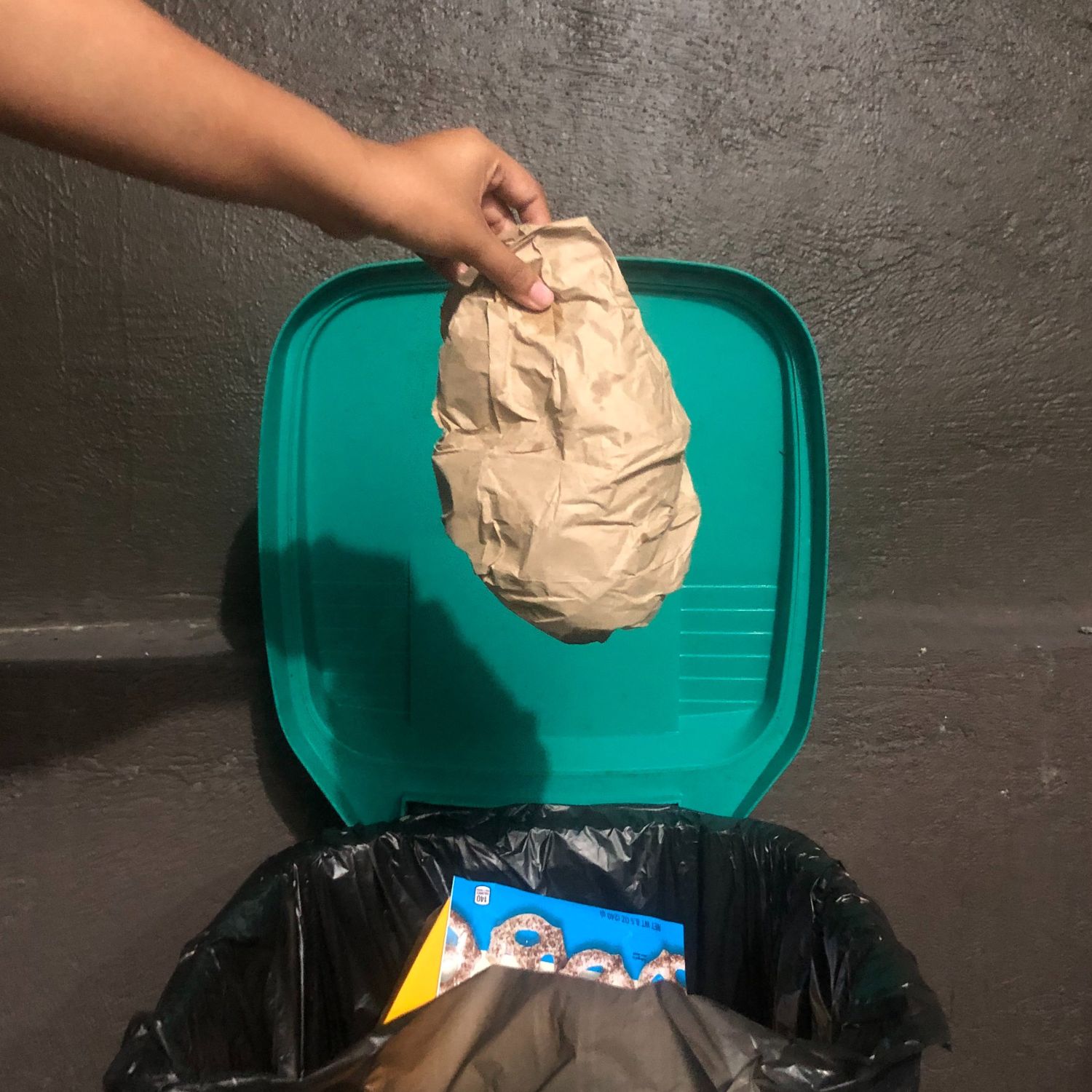
Plastic Pollution in Philippines

Biggest Polluter

In terms of plastic waste dumped in the ocean worldwide in 2019, the Philippines accounted for the most portion. In the same year, the nation was accountable for 36.38% of the world's oceanic plastic garbage, a significantly higher percentage than the second-largest plastic polluter stated by Ramos (2023) in a written article of his.

A 2021 study found that river account for 80% of plastic garbage, with seven of the worlds 10 most plastic-polluted rivers being in the Philippines. The Yangtze River in China was surpassed by the Pasig River in 2017 as the most polluted river.
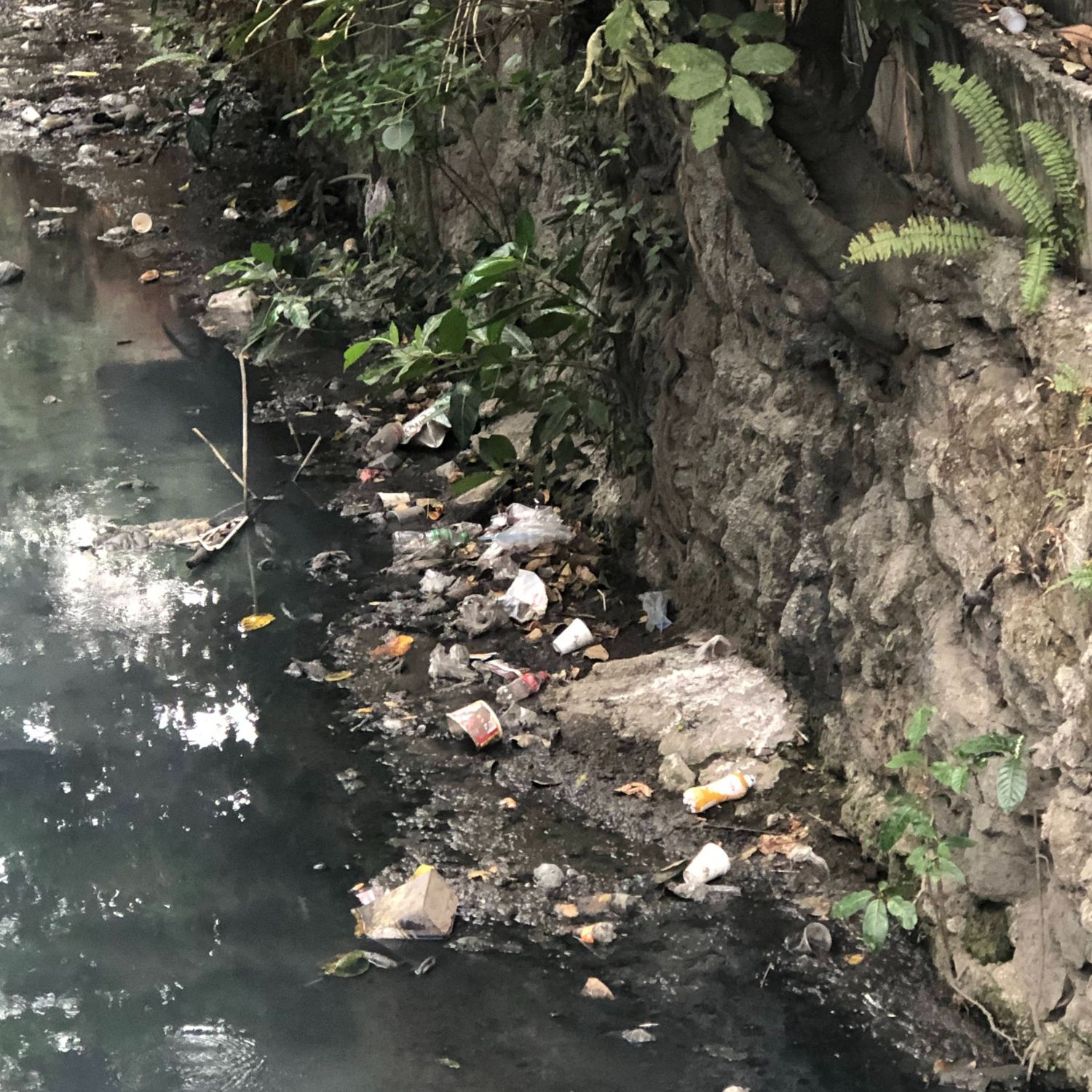
Sachet Economy

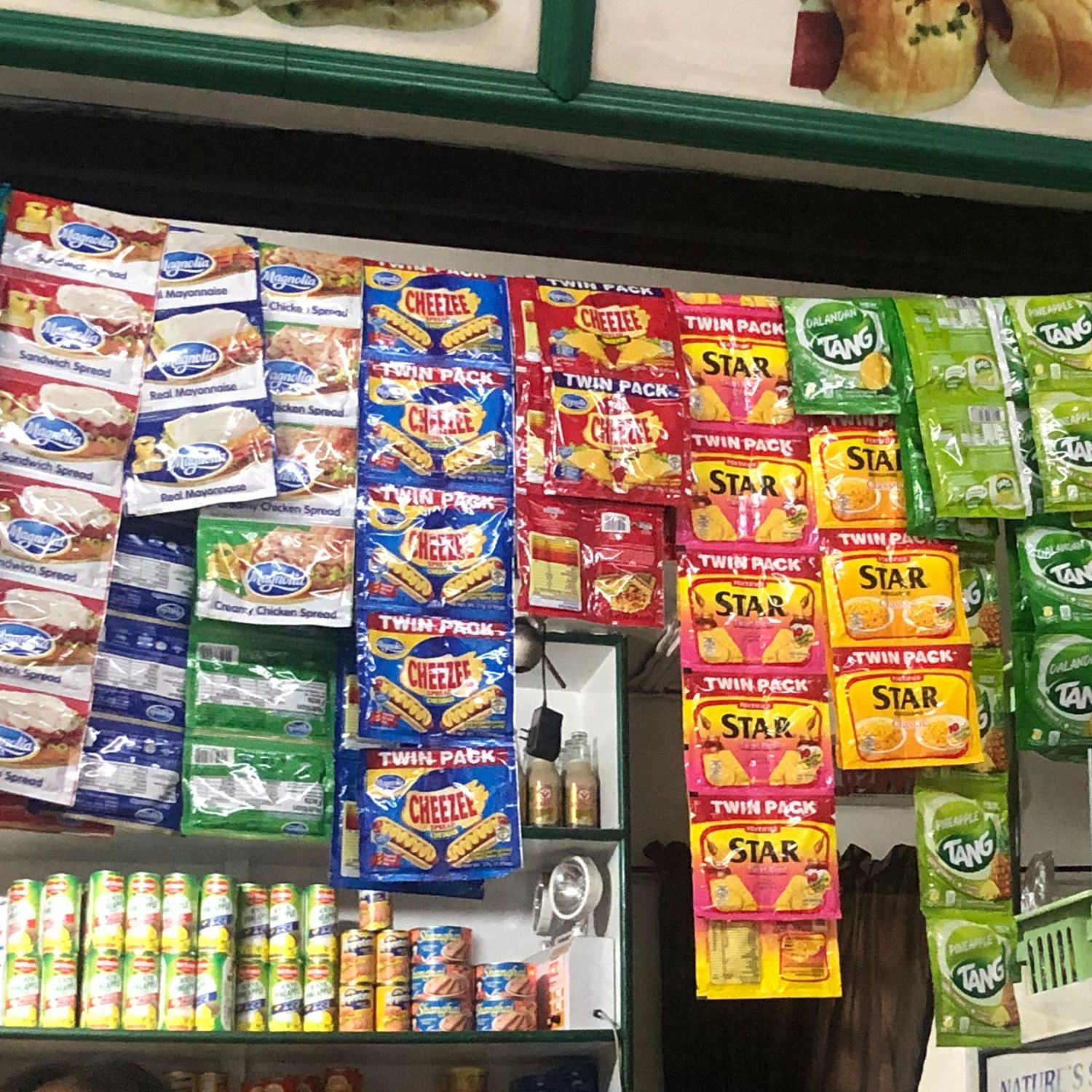
In one of Bloomberg's articles in 2023, the nation now lives in a “sachet economy”, with some 163 million little, single-use pieces of common household goods consumed daily due to a mix of growing consumerism and limited disposable funds.

Even worse, there is no market value for the plastics utilized in these sachet packets. Because junk shops won't take them, the country and its waterways are currently chocked by billions of plastic sachets.

Harmful and Dangerous

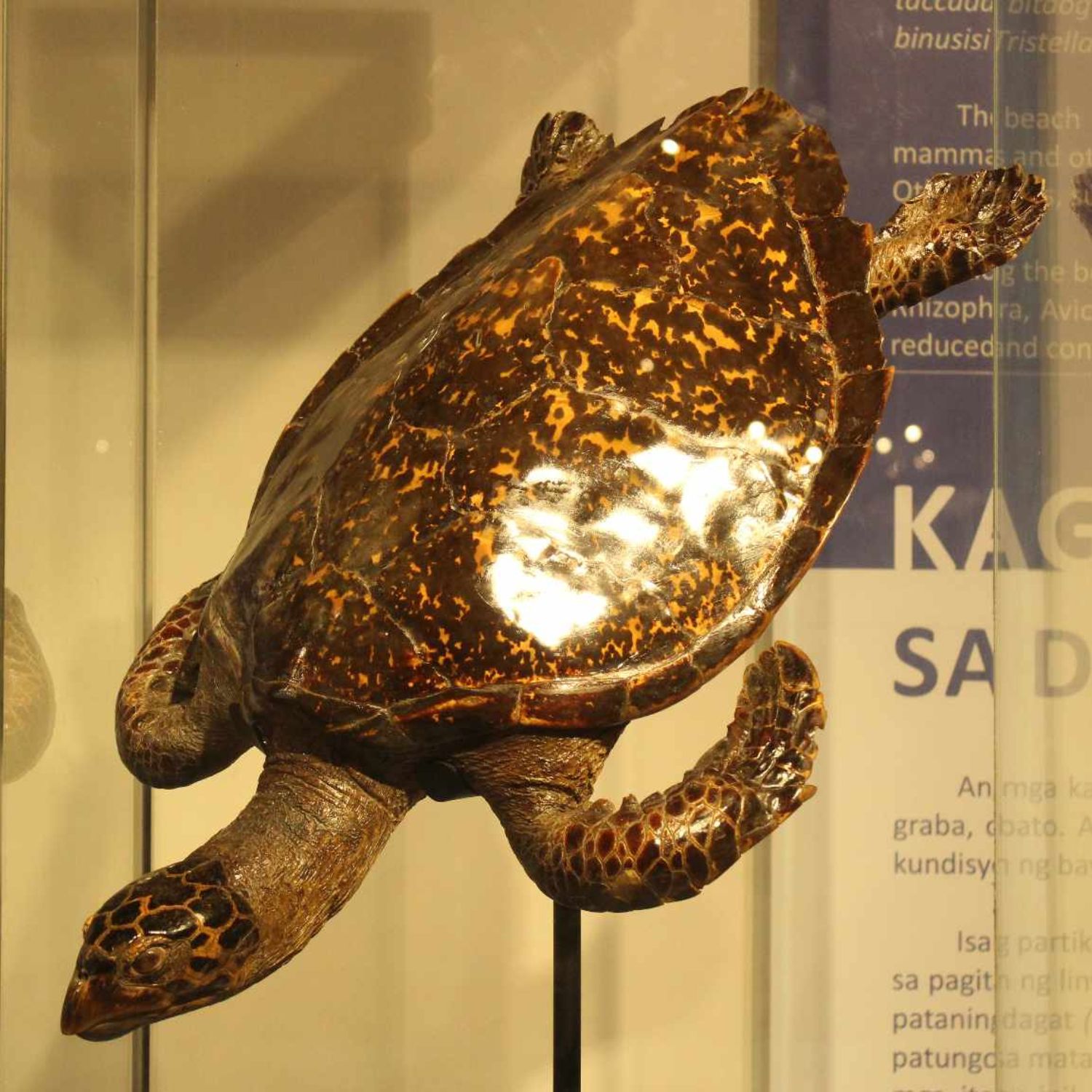
According to Sea Circular's article in 2020, the direct and harmful effects of plastic pollution on biodiversity and wildlife are well documented. Every year, thousands of marine creatures, seals, seabirds, and turtles perish from consuming or being entangled in plastic waste. Additionally, plastic waste has been discovered in the digestive tracts of over 700 various marine species.

Approximately 95% of the plastics recovered from seabirds are microplastics. Microbeads are assumed to enter a fish through their gills and then become lodged in their brains and other organs. Because nano plastics can even pass through cell membranes, marine life is extremely vulnerable to them.